







Our editors independently research, test, and recommend the best products.
Virbac Preventic Tick Collar for Dogs at Homelabvet – $35.59
“Available in two different sizes, this collar helps to kill and detach deer ticks, dog ticks, Lone Star Ticks, and more.”

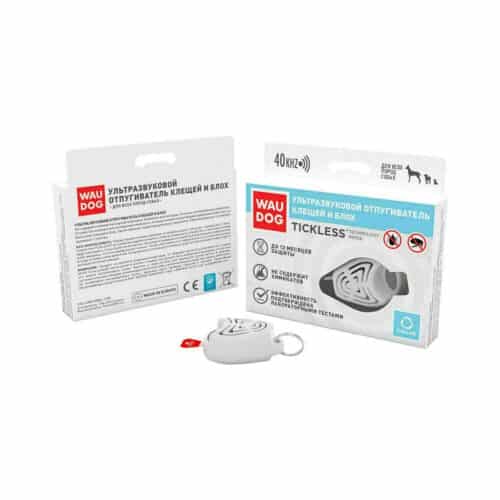
Ultrasonic Flea and Tick Repeller for Dogs and Cats at Homelabvet – $36.99
“This small electronic product, in the form of a pendant to be attached to the collar of the pet, is the ideal solution to keep ticks and fleas away from dogs and cats, in a totally ecological way and without any side effects.”
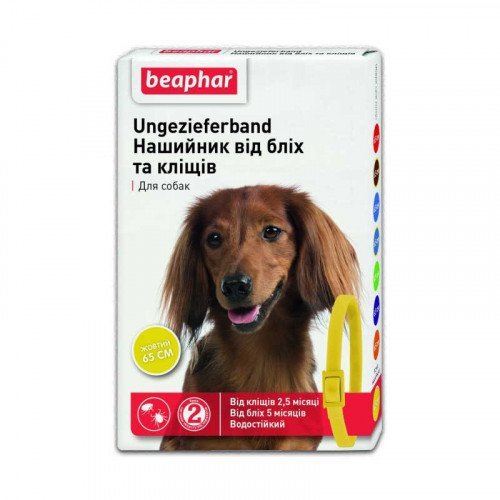
Beaphar collar against fleas and ticks for dogs – $19.00


If you’re looking for a way to keep fleas off your dog, flea collars are a popular choice, as they’re extremely convenient to use. These collars are treated with medication that releases slowly over the course of several months, meaning you only have to replace them a few times a year, and they’re also less messy to apply than topical flea and tick treatments.
Most flea collars for dogs contain insecticides, which can pose risks to your family and other pets, so it’s important to carefully research the ingredients of these products before buying. When in doubt, it’s always best to consult with your veterinarian if you have any questions or need advice on managing fleas.
Here, the best flea collars for dogs.
Best Tick Collar: Virbac Preventic Tick Collar for Dogs
Concerned about ticks biting your dog? These insects can carry Lyme disease and other harmful illnesses, but the Virbac Preventic Tick Collar helps to kill any ticks that attach to your pooch. It uses an insecticide called amitraz to kill and detach ticks for up to 90 days, and it’s effective against many common types of the insect, including deer ticks, dog ticks, and Lone Star Ticks.
These collars come in two different sizes, depending on whether your pooch is over or under 60 pounds, and it starts working within 48 hours of application. It’s safe to use on dogs 12 weeks or older, but it’s not waterproof—you should take the collar off your dog before they get wet and only reapply once they’re dry.
What to Look for in a Flea Collar
Ingredients
To repel and kill pests, flea collars contain some type of insecticide, which is slowly released over your dog’s coat and skin. There are several insecticides commonly used for this purpose, including tetrachlorvinphos, methoprene, deltamethrin, and more. You may want to talk to your vet or do research into the various chemicals used on flea collars, as some ingredients may be harmful to cats or other pets in your home. If you have young children or a dog who is sensitive to chemicals, natural flea collars, which contain essential oils instead of insecticides, may be a good alternative.
It’s important to note that any insecticide may cause an adverse reaction in your pet, with the most common being skin irritation. If this happens, you’ll want to remove the collar, flush the area with lots of water, and contact your vet for further guidance.
Longevity
Most flea collars are designed to slowly release their active chemicals over a long period of time—typically between three and eight months. Naturally, the longer the collar lasts, the less frequently you’ll need to change it. However, it’s also important to consider whether the collar is water-resistant or -proof. If it’s not, the chemicals may be washed off if your dog goes swimming or gets caught in the rain, lessening the effectiveness of the collar.
Life stage targeted
Some flea collars are only effective against adult fleas, which is typically fine if you’re just using them to prevent future infestations. However, if you currently have a flea problem, you may want to look for a product that kills the bugs in more life stages, such as larvae and eggs—otherwise, you may have trouble breaking the life cycle of the insects.
FAQs
How do flea collars work?
Flea collars contain some type of insecticide that’s designed to be slowly released over a period of several months. As it’s released, the chemicals are spread over your dog’s body via the oils on their skin and fur. The insecticide lingers on your pet’s skin and coat, repelling and/or killing fleas and other insects that are crawling on or biting your dog.
Can all dogs wear flea collars?
Flea collars are not suitable for all dogs. They’re typically only recommended for puppies 12 weeks and older, and they shouldn’t be used on senior, pregnant, or nursing dogs, either.
Further, some insecticides can interact with other medications your dog may be taking, so you’ll want to consult with your dog’s veterinarian before using a new flea collar on them.
How long does it take for a flea collar to work?
Flea collars typically begin releasing chemicals as soon as they’re placed on your dog, and, in general, adult fleas should be killed within a few days. (This can vary depending on the product, so read the product packaging for more precise timelines.) However, it can take up to 30 days for a flea infestation to be eradicated, as flea eggs and larvae may still be lingering on your pet or in your home.
When should you change the collar?
You should always change your dog’s flea collar after the time period recommended by the manufacturer. You may also want to put a new collar on your dog if you notice its effectiveness is decreasing.